Ceramic washes are one of the most versatile and expressive tools in a potter’s surface decoration toolkit. Simple to make, easy to apply, and endlessly variable in effect — a well-made wash can add depth, highlight texture, and bring life to carved and sculpted surfaces in ways that solid glaze colors cannot. This guide covers everything you need to know to make and use ceramic washes effectively.
What is a Ceramic Wash?
A ceramic wash is a thin, fluid mixture of metal oxide (or mason stain) and water — sometimes with a small amount of flux added — that is brushed over bisqueware or leather-hard clay and then partially wiped away. The wash settles into recessed areas, carved lines, and textured surfaces, accentuating them while leaving raised areas clean. It’s essentially a very diluted, unfired colorant that burns onto the surface during firing.
Unlike underglaze, which is designed to sit on the surface as an opaque color layer, a wash is translucent and gestural — it reveals rather than covers. Unlike glaze, it doesn’t melt and flow significantly, so it’s more predictable in how it settles.
Basic Wash Formula
The simplest ceramic wash is just oxide and water. But adding a flux material dramatically improves how the wash adheres to the surface, prevents it from dusting off before firing, and affects the final surface quality. The standard starting point is:
| Material | Amount |
|---|---|
| Metal oxide (or mason stain) | 50% |
| Flux (frit, Gerstley Borate, or Custer Feldspar) | 50% |
Mix the dry materials, then add water gradually until you reach a consistency slightly thinner than skim milk. The wash should flow easily from a brush but not be completely transparent when applied.
Choosing Your Flux
The flux you choose changes how the wash behaves — both in application and in the final fired result. Each has a different effect:
| Flux | Firing Range | Effect |
|---|---|---|
| Frit (3124, 3134, or similar) | Low to mid fire (cone 06–6) | More runny, glossy wash — flows into recesses well |
| Gerstley Borate | Low to mid fire (cone 06–6) | Soft, slightly mattified wash — good for subtle effects |
| Custer Feldspar | Mid to high fire (cone 6–10) | Solid, matte wash — stays where applied, minimal movement |
As a general rule: use frit for low-fire work and when you want the wash to flow; use Gerstley Borate for soft, diffused effects; use Custer Feldspar for high-fire work and when you want a crisp, controlled wash.
Choosing Your Oxide
Any metal oxide can be used in a wash — the choice depends on the color you want and how strong you need the effect to be. Common choices include:
- Iron oxide — warm browns and ambers, very versatile across all firing ranges. One of the most commonly used wash oxides.
- Cobalt oxide or carbonate — strong blue, use sparingly (0.5–1% cobalt goes a long way). Great for accenting carved lines.
- Copper oxide or carbonate — greens in oxidation, can shift in reduction. Rich, earthy color.
- Manganese dioxide — purples, browns, and blacks. Particularly effective in reduction firing.
- Rutile — warm tan and amber with a slightly variegated quality. Works well as a wash over existing glazes.
- Mason stains — commercial stains give more predictable, consistent color than raw oxides. Use at 10–20% in your wash base.
How to Apply a Ceramic Wash
On Bisqueware (most common)
- Make sure your bisqueware is clean and dust-free
- Brush the wash generously over the surface — don’t worry about being neat at this stage
- Let it sit for 30–60 seconds until the shine disappears
- Wipe away the excess with a damp sponge, leaving wash in recesses, carved lines, and texture
- Let dry completely before glazing over the top
On Leather-Hard Clay (sgraffito technique)
- Carve your sgraffito design into leather-hard clay
- Allow the piece to dry to bisque, then fire
- Apply a wash over the bisqued sgraffito surface
- Wipe away — the wash stays in the grooves of the carved lines, highlighting the design
This technique is particularly effective because the carved lines catch and hold the wash while the raised clay surface wipes clean, creating a two-tone effect without the complexity of underglaze painting. See our full guide on Sgraffito technique for more detail.
Tips for Better Washes
- Make small batches — washes settle quickly and small containers are easier to manage. A few tablespoons is enough for most sessions.
- Stir frequently — oxides are heavy and settle to the bottom. Keep stirring as you work.
- Test before committing — fire a test tile before using a new wash on finished work. Colors can shift significantly between application and fired result.
- Layer for depth — applying a second wash in a slightly different color after the first dries creates more complex, layered surface effects.
- Use over texture — washes work best on surfaces with relief — stamps, carved lines, impressed textures. On smooth surfaces they have less to settle into and the effect is more subtle.
- Combine with wax resist — apply wax to areas you want to keep clean before brushing on the wash. The wash beads off the waxed areas. See our Wax Resist guide for more.
Wash Recipes to Try
Iron Wash (all firing ranges)
| Material | Amount |
|---|---|
| Red Iron Oxide | 50g |
| Custer Feldspar (high fire) or Frit 3124 (low-mid fire) | 50g |
| Water | to consistency |
Cobalt Wash (accent wash — use sparingly)
| Material | Amount |
|---|---|
| Cobalt Carbonate | 25g |
| Gerstley Borate or Frit | 75g |
| Water | to consistency |
Black Wash
| Material | Amount |
|---|---|
| Cobalt Carbonate | 15g |
| Manganese Dioxide | 20g |
| Red Iron Oxide | 15g |
| Custer Feldspar | 50g |
| Water | to consistency |
For more on the oxides used in these recipes, see our guides on Iron Oxide, Cobalt Oxide, and Manganese Dioxide. For a full overview of surface decoration methods, visit our Surface Decoration Techniques guide.


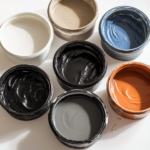
dude this is handy but that cobalt carb recipe is way way too much cobalt I think. keep posting these are fun ¶ helpful