
🎇🎉 Shop opens July 4th at 8 AM PT  ·  Free shipping + free small pressed plate on orders $50+ 📦 Free medium pressed plate on orders $75+ 🎆  ·  While supplies last

Skip to content

Between Two Worlds

Built to be held. Made to last.

Menu
  • Home
  • About
    • Resumé
    • My Work
  • Blog
    • Clay
      • Paper Clay
      • Colored Clay
        • Nerikomi
    • Wheel Throwing
    • Hand Building
      • Beginner handbuilding
      • Pinching
      • Slab building
      • Coil building
      • Kurinuki
    • Slipcasting
      • Moldmaking
    • Equipment
      • Kilns
    • Decorating
      • Glazing
      • Glaze Making
        • Glaze Materials
        • Recipes
          • Cone 10 glazes
            • ∆10 glaze types
          • Cone 6 glazes
            • ∆6 Glaze types
          • Slip Recipes
            • Lowfire Slip
            • Midrange Slip
            • Highfire Slip
            • Slipcasting Slip
          • Tests
  • FAQ
  • Shop
  • Contact Us
  • My Account
  • 0 items

Recipes

Ceramics / Glaze Making / Recipes

Different Types of Ceramic Test Tiles and How to Make Them

Introduction Ceramic test tiles are essential tools for potters and ceramic artists. They provide a way to test glazes, underglazes, oxides, and stains before applying them to final pieces. By …
Ceramics / Education / Glaze Making / Recipes

How to Normalize a Glaze Recipe: The Unity Molecular Formula Explained

Normalizing a glaze recipe means converting the raw material weights into a standardized format — the Unity Molecular Formula (UMF) — that lets you compare, analyze, and modify glazes based …

Clay / Education / Recipes

High Fire Clay Bodies: Types, Recipes, and Working Tips

High-fire clay bodies are formulated to withstand extreme kiln temperatures — typically cone 8 through cone 10 (approximately 2300–2380°F / 1260–1305°C). At these temperatures, clay bodies vitrify significantly, producing ware …

Ceramics / Decorating / Education / Recipes

How to Make Ceramic Pencils and Crayons for Pottery Decoration

How to make ceramic pencils and crayons from porcelain powder and mason stain — materials, mixing, forming, drying, and how to use them on bisqueware for line work and detail.

Ceramics / Decorating / Education / Recipes

How to Make Ceramic Washes: Recipes, Oxides, and Application Guide

Ceramic washes are one of the most versatile and expressive tools in a potter’s surface decoration toolkit. Simple to make, easy to apply, and endlessly variable in effect — a …

∆6 Slip recipe / Ceramics / Highfire Slip / Lowfire Slip / Midrange Slip / Recipes / Slip Recipes / Slipcasting Slip

Ceramic Slip Recipes: Decorating Slips from Low to High Fire

Whether you’re decorating greenware, adding color to bisqueware, or building up surface texture, having a reliable decorating slip recipe is essential. Below is a collection of tested slip recipes organized …

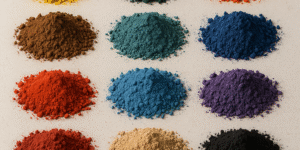
Mason stain color piles used for coloring ceramics and clay
∆6 Slip recipe / Ceramics / Colored Clay / Decorating / Education / Glaze Making / Highfire Slip / Lowfire Slip / Midrange Slip / Recipes / Slip recipes

What are mason stains? Where do I get them?

Mason stains are artificially produced inorganic materials. They were made to be stable at different ceramic temperatures. Before purchasing your stains you should go to this website and learn more …

Ceramics / Decorating / Education / Hand Building / Recipes

How to make decorating slip

There are many different recipes you can use to make a decorating slip. The Simplest Way Materials The Stages of Clay Steps The other way you can do this is …

Ceramics / Decorating / Education / Slip Recipes

Slip Trailing: How to Decorate Pottery with Raised Slip Lines

How to slip trail pottery — slip consistency, filling the trailer, technique for clean lines, and design approaches including feathering and marbling.

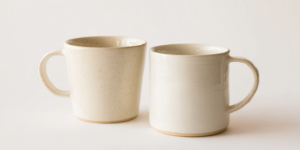
Two handmade porcelain mugs with glossy clear glaze - Between Two Worlds ceramics
Ceramics / Cone 10 glazes / Cone 6 glazes / Education / Glaze Making / Recipes

Glaze Making for Beginners: Complete Guide

Glaze making is one of the most rewarding and technically rich areas of ceramics. Whether you’re mixing your first simple base glaze or developing a complex glaze chemistry practice, the …

Newsletter Signup

Never miss a guide or a glaze

New collections, studio updates, and behind the scenes — delivered to your inbox. No spam, just clay. 


FAQ
Return & Refund Policy
Terms & Conditions

Stay Connected
Copyright © 2026 Between Two Worlds – OnePress theme by FameThemes