Why is My Glaze Crazing? How to Fix Glaze Fit
Crazing is a network of fine cracks that appears in a glaze surface — either right out of the kiln or weeks later. It can look like an intentional decorative …
Built to be held. Made to last.

Crazing is a network of fine cracks that appears in a glaze surface — either right out of the kiln or weeks later. It can look like an intentional decorative …
Every potter who fires their own kiln eventually runs into problems — a firing that doesn’t reach temperature, glazes that look wrong, pieces that crack, or a kiln that behaves …
The coil and scrape method is one of the most traditional handbuilding approaches in ceramics — used worldwide for thousands of years and still the preferred technique for making large-scale …
A well-thrown bowl is one of the most satisfying forms in ceramics — elegant, functional, and endlessly variable. Unlike a mug or cylinder where walls rise straight up, a bowl …
Setting up a home pottery studio does not require a dedicated room or a large budget — many working potters operate out of a corner of a garage, a basement, …
How to make paper clay slip and use it for repairs — fixing cracks at leather-hard and bone dry, adding handles to dry pieces, and why it works when standard slip won’t.
Underglaze basics for pottery — how it differs from glaze, when to apply (greenware vs bisque), application methods, how to apply a clear coat, and common mistakes.
Slipcast porcelain has a refined, smooth surface and precise form that sets it apart from wheel-thrown work. Caring for it correctly keeps it looking its best and ensures it lasts …
Clay is a surprisingly durable material when stored correctly — it can last for years without degrading. But improper storage can lead to clay that is too stiff to work, …
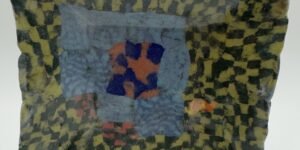
Nerikomi is a Japanese ceramics technique that creates intricate, geometric patterns running through the clay itself — not on the surface. Slice through a nerikomi piece anywhere and the pattern …
✈️🚚🚛 Free shipping on all orders over $50+!📦