🎇🎉 Shop opens July 4th at 8 AM PT  ·  Free shipping + free small pressed plate on orders $50+ 📦 Free medium pressed plate on orders $75+ 🎆  ·  While supplies last

Skip to content

Between Two Worlds

Built to be held. Made to last.

Menu
  • Home
  • About
    • Resumé
    • My Work
  • Blog
    • Clay
      • Paper Clay
      • Colored Clay
        • Nerikomi
    • Wheel Throwing
    • Hand Building
      • Beginner handbuilding
      • Pinching
      • Slab building
      • Coil building
      • Kurinuki
    • Slipcasting
      • Moldmaking
    • Equipment
      • Kilns
    • Decorating
      • Glazing
      • Glaze Making
        • Glaze Materials
        • Recipes
          • Cone 10 glazes
            • ∆10 glaze types
          • Cone 6 glazes
            • ∆6 Glaze types
          • Slip Recipes
            • Lowfire Slip
            • Midrange Slip
            • Highfire Slip
            • Slipcasting Slip
          • Tests
  • FAQ
  • Shop
  • Contact Us
  • My Account
  • 0 items

Kevin

I am a visually impaired ceramic artist. I have been making for around 8 years now. I specialize in functional colorful pottery. Mainly nerikome and other decorative processes.
Ceramics / Education / Glaze Making / Glaze Materials / Tests

Colorants and Glaze Testing: How to Test Systematically and Build a Color Library

The most useful thing you can do before building a glaze library is pick two or three reliable base glazes and run every colorant test through them consistently. This gives …
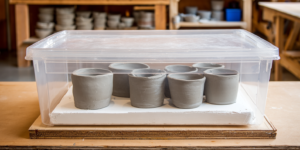
Damp box for keeping ceramic pieces moist during making process
Beginner handbuilding / Ceramics / Education / Hand Building

How to Make and Use a Damp Box for Pottery

How to make a damp box for pottery — two versions, how to use it to slow drying, match moisture levels across a set, and bring pieces back from too-dry. Includes maintenance tips.
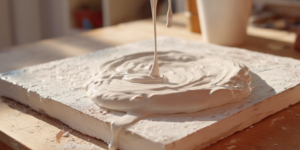
Plaster drying board used in ceramics studio
Ceramics / Colored Clay / Education / Hand Building

How to make a plaster drying board

Materials Steps Clean up

Specific gravity scale used for measuring ceramic glaze density
Ceramics / Education / Glaze Making / Slipcasting

What is Specific Gravity and how do you measure it?

Specific gravity is one of the simplest numbers you can track in your studio — and one of the most useful. If you mix your own glazes, measuring specific gravity …

Plaster drying board used in ceramics studio
Ceramics / Clay / Education / Hand Building / Wheel Throwing

How to Reclaim Clay: The Slop Bucket Method and Drying It Back Down

Clay reclaim is one of the most important studio habits you can develop. Every scrap, failed piece, and trimming that hasn’t been fired can be returned to a fully workable …

Beginner handbuilding / Ceramics / Education / Equipment / Hand Building / Slab building

Handbuilding Essentials: Complete Guide for Ceramic Artists

Handbuilding is one of the oldest and most expressive approaches to making ceramics. Unlike wheel throwing, handbuilding doesn’t require a pottery wheel — just your hands, basic tools, and an …

Ceramics / Education / Equipment / Wheel Throwing

Wheel Throwing Essentials: Complete Guide for Potters

Wheel throwing is the foundation of most studio pottery practice. Whether you’re just starting out or working to refine your technique, the guides below cover the wheel throwing essentials — …

Ceramics / Education / Glaze Making / Tests

Line Blend: How to Test a Colorant or Material Across a Range

A line blend is one of the most useful glaze testing methods available. It tests how a single variable — a colorant, a flux, an opacifier, or a second glaze …

Ceramics / Education / Equipment / Glaze Making / Glaze Materials

Beginner Glaze making – Shopping List

A limited glaze pantry is the fastest way to start making your own glazes. You don’t need fifty materials on the shelf — you need a short list that covers …

Two handmade porcelain mugs with glossy clear glaze - Between Two Worlds ceramics
Ceramics / Cone 10 glazes / Cone 6 glazes / Education / Glaze Making / Recipes

Glaze Making for Beginners: Complete Guide

Glaze making is one of the most rewarding and technically rich areas of ceramics. Whether you’re mixing your first simple base glaze or developing a complex glaze chemistry practice, the …

Posts navigation

Older posts
Newer posts

Newsletter Signup

Never miss a guide or a glaze

New collections, studio updates, and behind the scenes — delivered to your inbox. No spam, just clay. 


FAQ
Return & Refund Policy
Terms & Conditions

Stay Connected
Copyright © 2026 Between Two Worlds – OnePress theme by FameThemes