
Colorants and Glaze Testing: How to Test Systematically and Build a Color Library
The most useful thing you can do before building a glaze library is pick two or three reliable base glazes and run every colorant test through them consistently. This gives …
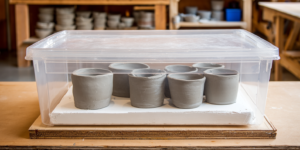
How to Make and Use a Damp Box for Pottery
How to make a damp box for pottery — two versions, how to use it to slow drying, match moisture levels across a set, and bring pieces back from too-dry. Includes maintenance tips.
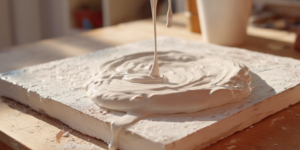
How to make a plaster drying board
Materials Steps Clean up
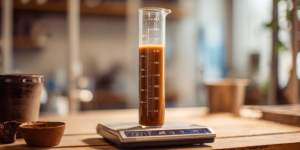
What is Specific Gravity and how do you measure it?
Specific gravity is one of the simplest numbers you can track in your studio — and one of the most useful. If you mix your own glazes, measuring specific gravity …
How to Reclaim Clay: The Slop Bucket Method and Drying It Back Down
Clay reclaim is one of the most important studio habits you can develop. Every scrap, failed piece, and trimming that hasn’t been fired can be returned to a fully workable …