Colorants in Ceramic Glazes: How They Work and How to Use Them
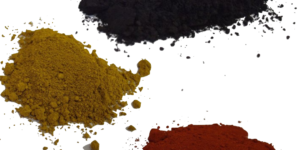
Colorants are the oxides and metal compounds added to a glaze to produce color. They’re used in small amounts — typically 0.5–5% of the total dry recipe weight — and …
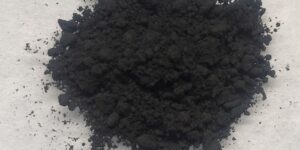
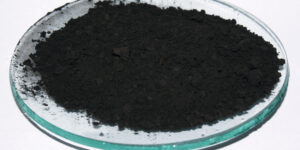
Cobalt Oxide CoO, Co2O3, Co3O4, and CoCO3
Cobalt Oxide CoO, Co2O3, Co3O4, and CoCO3

Colorants and Glaze Testing: How to Test Systematically and Build a Color Library
The most useful thing you can do before building a glaze library is pick two or three reliable base glazes and run every colorant test through them consistently. This gives …
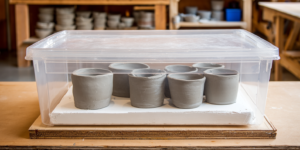
How to Make and Use a Damp Box for Pottery
How to make a damp box for pottery — two versions, how to use it to slow drying, match moisture levels across a set, and bring pieces back from too-dry. Includes maintenance tips.