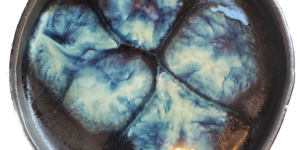
Pilchers Slip
C06-10 Ball Clay 25.000 EPK 25.000 Silica 25.000 Cornwall Stone 12.500 Nepheline Syenite 12.500 Additions Zircopax 5.000 Frit 3124 5.000
Built to be held. Made to last.
C06-10 Ball Clay 25.000 EPK 25.000 Silica 25.000 Cornwall Stone 12.500 Nepheline Syenite 12.500 Additions Zircopax 5.000 Frit 3124 5.000
Converting a dipping glaze into a brushing glaze can make applying glazes to pottery much easier and more controlled. By adding CMC Gum to your glaze, you can achieve a …
How to Start Your Own Glaze Pantry: A Comprehensive Guide Are you tired of paying premium prices for pre-made glazes from stores? Making your own glazes can be a cost-effective …
Materials Needed for Pottery Mold Making Before getting started, gather the following essential materials. Each item plays a crucial role in ensuring your mold-making process runs smoothly and efficiently: Step-by-Step …
Silica Source Silica, Quartz, Flint Alumina Sources Kaolin/China Clay/EPK Alkali Metal/R2O Lithium Lithium Feldspar Generic Name Spodumene Petalite Lithium Carbonate Water Soluble -Not as recommended Sodium Sodium/soda/natrium feldspar Minpar Soda …
In ceramics it is important to recognize the chemical formulae of these 12 different oxides. R2O-type fluxes Li2O Lithium Oxide Na2O Sodium Oxide K2O Potassium Oxide RO-Type Fluxes CaO Calcium …
Creating plaster molds is an essential part of the ceramic-making process. To ensure your mold is durable and effective, it’s important to mix the plaster correctly. In this article, we’ll …
Introduction If you’re a ceramic artist looking to experiment with glaze colors, it’s essential to have a solid testing process in place. This guide walks you through the steps to …
Introduction to Cuerda Seca Cuerda Seca, which translates to “dry cord” in Spanish, is a traditional ceramic technique used to create vibrant, multicolored tile designs. Originating in the Middle East …