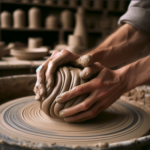
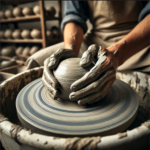
Handbuilding is one of the oldest and most expressive approaches to making ceramics. Unlike wheel throwing, handbuilding doesn’t require a pottery wheel — just your hands, basic tools, and an understanding of clay. The guides below cover the hand building essentials, from the most fundamental pinch pot to complex slab constructions.
Getting Started
- Learning Ceramics: Where to Start — a complete beginner’s overview
- The Stages of Clay — understanding what clay is doing at each stage
- How to Spiral Wedge Clay — prepare your clay before every session
- Essential Ceramic Materials and Tools — what you need to get started
- Damp Box — keeping work moist between sessions
Core Handbuilding Techniques
- How to Make a Pinch Pot — the most fundamental handbuilding technique
- Coiling Technique — building forms with rolled coils of clay
- How to Make Slab Built Projects — working with flat sheets of clay
- How to Make Slabs Without a Slab Roller — rolling slabs by hand
- Slipping and Scoring — joining clay pieces securely
- How to Make Joining Slip — for strong, reliable joins
- How to Make Magic Water — for joining leather-hard clay
Handbuilding Projects
- Slab Building Projects: Beginner to Advanced — mugs, bowls, tiles, teapots, and more
- How to Make a Handbuilt Handle — for mugs, pitchers, and teapots
- Hybrid Handle: Handbuilt and Pulled — combining approaches
Clay Preparation and Special Materials
- How to Make Paper Clay — adds strength and workability for handbuilding
- What Is Paper Clay? — when and why to use it
- Making Colored Clay — adding stains and oxides for nerikomi and marbling
- Clay Reclaim — recycling scraps and trimmings
Texture and Surface Tools
- Clay Disc Roller: How to Make and Use One — for consistent textures on slabs
- Making Stencils for Ceramic Decoration — repeatable patterns for slab work
Once your pieces are built, explore our Surface Decoration Techniques guide to add color and pattern to your work.

Related Posts: